Buy dutchoven.eu ?
We are moving the project
dutchoven.eu .
Are you interested in purchasing the domain
dutchoven.eu ?
domain@kv-gmbh.de · 0541-91531010
Buy dutchoven.eu ?
Which recipes with pureed vegetables are suitable for small vegetable refusers?
Pureed vegetable recipes that are suitable for small vegetable refusers include hidden veggie pasta sauce, sweet potato and carrot muffins, and spinach and cheese quesadillas. These recipes disguise the taste and texture of the vegetables, making them more palatable for picky eaters. Additionally, incorporating pureed vegetables into familiar dishes like pasta, muffins, and quesadillas can help children become more comfortable with the taste of vegetables. **
What can be used instead of vegetable broth for cooking?
Instead of vegetable broth, you can use water as a simple alternative. You can also use chicken or beef broth if you are not strictly vegetarian. Another option is to use a combination of different seasonings and spices to add flavor to your dish, such as soy sauce, miso paste, or bouillon cubes. Additionally, you can use mushroom broth for a rich, earthy flavor in your cooking. **

Similar search terms for Vegetable
Top-Angebote
Products related to Vegetable:
-
DK The Complete Vegetable Cookbook: A Seasonal, Zero-waste Guide to Cooking with VegetablesA must-have guide for every cook on how to prepare, store, and cook fresh seasonal vegetables with confidence and keep waste to a minimum. From asparagus and artichoke to fennel and celeriac, James Strawbridge has your veg box covered!Whether you are looking to include more veg in your diet, moving to a vegan or meat-free lifestyle, or looking for some flavour inspiration for your dishes, this is a vegetarian cookbook with a difference - giving you the confidence and knowledge to safely prepare and cook the edible parts of seasonal vegetables.- Covers more than 60 vegetables organised by seasonality- Over 135 delicious vegetarian recipes for you to enjoy - including main meals, light lunches and sides- Detailed information on plant varieties with annotated photographs displaying the edible parts of each vegetable- Learn the best way to prepare, store, and preserve your favourite veg- Handy zero-waste top tips and practical tricks throughout to make your vegetables last longer- Sustainable leftover solutions from stocks, and drying techniques to pickling, fermenting, and roastingJames Strawbridge showcases more than 60 vegetables, season by season, exploring each plant's unique characteristics, different varieties, and how best to prepare produce in your kitchen. An advocate of zero-waste cooking, James also shares how you can make use of all that's edible from root to bloom with ideas on preserving and storing.Rustle up one of James' family favourites - a warming fennel gratin for a cosy autumn evening meal; watercress, pear, and walnut tart; or even cucumber peel gin, and discover how the humble vegetable can deliver utmost flavour all year round.A refreshing take on the classic recipe book, The Complete Vegetable Cookbook is a staple in the kitchen or a fantastic gift for food lovers and allotment growers alike!Complete the SeriesDiscover more from James Strawbridge in The Artisan Kitchen: The science, practice and possibilities providing modern twists to age-old preservation, fermentation and cooking techniques. Or, why not join Dick Strawbridge, of Channel 4's Escape to the Chateau, and his son James on a journey to reduce your carbon footprint in Practical Self-sufficiency: The complete guide to sustainable living today.12,90 £*Shipping: 2,99 £Secure redirect to the provider
-
Integralia Vegetable Broth With Vegetable Sea Salt 10 CubesNutrition and Supplements Special supplements Integralia Vegetable Broth With Vegetable Sea Salt 10 Cubes Integralia Vegetable broth with sea salt 6 cubes. Dehydrated vegetable cubes to make broths and accompany stews and other recipes. Contains natural sea salt1,64 £*Shipping: 3,99 £Secure redirect to the provider
-
KitchenAid Vegetable SheeterThe KitchenAid Vegetable Sheeter creates sheets of vegetable and fruits like courgette, apple, cucumber and potatoes plus much more. The sheet cutter allows sheets to be thick or thin depending on your preference for your recipe and and can create fresh and simple everyday meals. The Vegetable Sheet Cutter allows a hygienic hands free operation after setup and works quickly and smoothly to cut the vegetable or fruit. Constructed from a premium metal for a durable and long lasting performance.94,95 £*Shipping: 0,00 £Secure redirect to the provider


-
What is the difference between cooking oil and vegetable oil?
Cooking oil is a broad term that refers to any oil used in cooking, including vegetable oil. Vegetable oil specifically refers to oils that are derived from plants, such as soybean, corn, canola, or sunflower oil. While all vegetable oils are considered cooking oils, not all cooking oils are necessarily vegetable oils, as some may be derived from animal fats or other sources. **
-
What can you use instead of vegetable broth for cooking?
You can use chicken or beef broth as a substitute for vegetable broth in cooking. You can also use water mixed with bouillon cubes or granules to add flavor to your dishes. Additionally, you can use mushroom broth or miso paste mixed with water for a different flavor profile. **
-
Should I use vegetable broth instead of vegetable stock?
Vegetable broth and vegetable stock are very similar, but there are some differences. Vegetable broth is typically made with a higher proportion of vegetables, giving it a more intense flavor, while vegetable stock is made with a higher proportion of water, resulting in a lighter flavor. Whether you should use vegetable broth or vegetable stock depends on the specific recipe and your personal preference. If you want a stronger vegetable flavor in your dish, then using vegetable broth may be a good choice. However, if you prefer a lighter flavor, then vegetable stock may be more suitable. Ultimately, it's a matter of personal taste and the specific needs of the recipe. **
-
Do you have a few delicious recipes for a vegetable stir-fry?
Sure! Here are a few delicious vegetable stir-fry recipes: 1. Classic Vegetable Stir-Fry: Heat sesame oil in a wok, add sliced bell peppers, broccoli florets, snap peas, and carrots. Stir-fry until the vegetables are tender-crisp. Add a sauce made of soy sauce, garlic, ginger, and a touch of honey. Serve over rice or noodles. 2. Spicy Szechuan Vegetable Stir-Fry: Heat vegetable oil in a wok, add sliced red bell peppers, green beans, and baby corn. Stir-fry until the vegetables are slightly charred. Add a spicy Szechuan sauce made of soy sauce, hoisin sauce, chili paste, and garlic. Garnish with chopped peanuts and green onions. 3. Teriyaki Tofu and Vegetable Stir-Fry: In a wok, stir-fry cubed tofu until golden brown. Add sliced mushrooms, bok choy, and snow peas. Pour in a **


Is the vegetable still poisonous after cooking if it is rotten?
Cooking a rotten vegetable will not make it safe to eat. When a vegetable is rotten, it can produce harmful toxins and bacteria that can cause food poisoning. Cooking may kill some of the bacteria, but it will not necessarily make the vegetable safe to eat. It is best to discard any rotten vegetables and choose fresh, healthy ones for consumption. **
What are the differences between vegetable stock and vegetable broth?
Vegetable stock is typically made by simmering vegetables, herbs, and sometimes spices in water for a longer period of time to extract flavors and nutrients. It is usually more concentrated and has a richer flavor compared to vegetable broth. Vegetable broth, on the other hand, is made by simmering vegetables in water for a shorter period of time, resulting in a lighter flavor. Broth is often seasoned with salt and can be used as a base for soups or stews, while stock is more versatile and can be used in a variety of dishes. **
Top-Angebote
Products related to Vegetable:
-
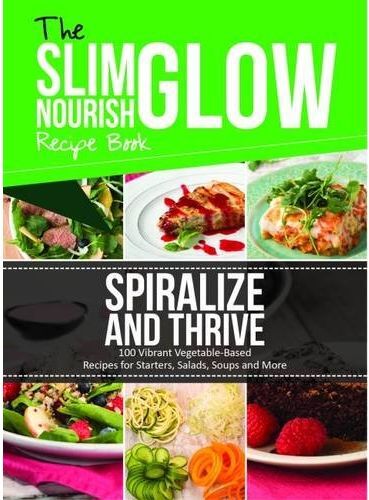
Zoblit Spiralize and Thrive Fresh Vibrant Vegetable-Based Recipes by Dalila Tarhuni - Paperback Cookbook - Healthy Vegetable Recipes for Every MealDiscover fresh and vibrant vegetable-based recipes with Spiralize and Thrive. This cookbook, written by Dalila Tarhuni, features a collection of healthy and delicious meals that showcase the star power of vegetables. Drawing on her Mediterranean upbringing, Tarhuni shares practical and colorful recipes that can be made with a spiralizer or just a sharp knife and chopping board. The book is organized to help home cooks build a plate from a base ingredient and finish with a sauce, glaze, or topping that elevates the dish. Recipes range from crepe parcels made with broccoli stems, carrots, and eggs to a mushroom and celery root gratin finished with a honey-balsamic reduction. A beet, orange, and dandelion salad is also featured, along with many other creative and tasty ideas. This paperback cookbook is a great resource for anyone looking to add more vegetables to their diet and explore new flavors and ingredients.2,49 £*Shipping: 2,99 £Secure redirect to the provider
-
Bloomsbury Publishing Every Grain of Rice: Simple Chinese Home Cooking by Fuchsia Dunlop - Hardcover Chinese Cookbook - Healthy Vegetable-Led Recipes - BloomsburyDiscover the authentic flavors of southern China with Every Grain of Rice, a cookbook by Fuchsia Dunlop. This hardcover edition presents simple yet rich recipes that celebrate the vibrant, healthy cooking of the region. With years of research and hands-on experience, Dunlop shares accessible ingredients, clear step-by-step methods, and quick techniques such as stir-frying and blanching. This book is a valuable addition to any cookery shelf, offering fresh and balanced meals inspired by real Chinese kitchens rather than takeaway staples. Fuchsia Dunlop, a trained Chinese cooking expert, distills decades of experience into these recipes, making them perfect for home cooks who want to explore the everyday cooking of southern China.24,49 £*Shipping: 2,99 £Secure redirect to the provider
-
DK The Complete Vegetable Cookbook: A Seasonal, Zero-waste Guide to Cooking with VegetablesA must-have guide for every cook on how to prepare, store, and cook fresh seasonal vegetables with confidence and keep waste to a minimum. From asparagus and artichoke to fennel and celeriac, James Strawbridge has your veg box covered!Whether you are looking to include more veg in your diet, moving to a vegan or meat-free lifestyle, or looking for some flavour inspiration for your dishes, this is a vegetarian cookbook with a difference - giving you the confidence and knowledge to safely prepare and cook the edible parts of seasonal vegetables.- Covers more than 60 vegetables organised by seasonality- Over 135 delicious vegetarian recipes for you to enjoy - including main meals, light lunches and sides- Detailed information on plant varieties with annotated photographs displaying the edible parts of each vegetable- Learn the best way to prepare, store, and preserve your favourite veg- Handy zero-waste top tips and practical tricks throughout to make your vegetables last longer- Sustainable leftover solutions from stocks, and drying techniques to pickling, fermenting, and roastingJames Strawbridge showcases more than 60 vegetables, season by season, exploring each plant's unique characteristics, different varieties, and how best to prepare produce in your kitchen. An advocate of zero-waste cooking, James also shares how you can make use of all that's edible from root to bloom with ideas on preserving and storing.Rustle up one of James' family favourites - a warming fennel gratin for a cosy autumn evening meal; watercress, pear, and walnut tart; or even cucumber peel gin, and discover how the humble vegetable can deliver utmost flavour all year round.A refreshing take on the classic recipe book, The Complete Vegetable Cookbook is a staple in the kitchen or a fantastic gift for food lovers and allotment growers alike!Complete the SeriesDiscover more from James Strawbridge in The Artisan Kitchen: The science, practice and possibilities providing modern twists to age-old preservation, fermentation and cooking techniques. Or, why not join Dick Strawbridge, of Channel 4's Escape to the Chateau, and his son James on a journey to reduce your carbon footprint in Practical Self-sufficiency: The complete guide to sustainable living today.12,90 £*Shipping: 2,99 £Secure redirect to the provider
-
Integralia Vegetable Broth With Vegetable Sea Salt 10 CubesNutrition and Supplements Special supplements Integralia Vegetable Broth With Vegetable Sea Salt 10 Cubes Integralia Vegetable broth with sea salt 6 cubes. Dehydrated vegetable cubes to make broths and accompany stews and other recipes. Contains natural sea salt1,64 £*Shipping: 3,99 £Secure redirect to the provider
-
Which recipes with pureed vegetables are suitable for small vegetable refusers?
Pureed vegetable recipes that are suitable for small vegetable refusers include hidden veggie pasta sauce, sweet potato and carrot muffins, and spinach and cheese quesadillas. These recipes disguise the taste and texture of the vegetables, making them more palatable for picky eaters. Additionally, incorporating pureed vegetables into familiar dishes like pasta, muffins, and quesadillas can help children become more comfortable with the taste of vegetables. **
-
What can be used instead of vegetable broth for cooking?
Instead of vegetable broth, you can use water as a simple alternative. You can also use chicken or beef broth if you are not strictly vegetarian. Another option is to use a combination of different seasonings and spices to add flavor to your dish, such as soy sauce, miso paste, or bouillon cubes. Additionally, you can use mushroom broth for a rich, earthy flavor in your cooking. **
-
What is the difference between cooking oil and vegetable oil?
Cooking oil is a broad term that refers to any oil used in cooking, including vegetable oil. Vegetable oil specifically refers to oils that are derived from plants, such as soybean, corn, canola, or sunflower oil. While all vegetable oils are considered cooking oils, not all cooking oils are necessarily vegetable oils, as some may be derived from animal fats or other sources. **
-
What can you use instead of vegetable broth for cooking?
You can use chicken or beef broth as a substitute for vegetable broth in cooking. You can also use water mixed with bouillon cubes or granules to add flavor to your dishes. Additionally, you can use mushroom broth or miso paste mixed with water for a different flavor profile. **
Similar search terms for Vegetable
-
KitchenAid Vegetable SheeterThe KitchenAid Vegetable Sheeter creates sheets of vegetable and fruits like courgette, apple, cucumber and potatoes plus much more. The sheet cutter allows sheets to be thick or thin depending on your preference for your recipe and and can create fresh and simple everyday meals. The Vegetable Sheet Cutter allows a hygienic hands free operation after setup and works quickly and smoothly to cut the vegetable or fruit. Constructed from a premium metal for a durable and long lasting performance.94,95 £*Shipping: 0,00 £Secure redirect to the provider
-
Biotona Vegetable Protein 300GNutrition and Supplements Proteins and creatine Biotona Vegetable Protein 300G Properties • Constitutes an exceptional source of protein for athletes and vegetarians/vegans • Contains a full spectrum of essential amino acids • Contains 2.5 to 3 grams. of BCAAs per 15 gram serving • Free of unsaturated fats, thus not increasing the risk of developing cardiovascular diseases (unlike protein sources of animal origin). • Contributes to the growth and maintenance of a healthy bone system • It is perfectly suited to a protein diet Applications 15 to 30 gr. (1 to 2 tablespoons) in 200 ml. of water or fruit juice, milk (vegetable) or as an ingredient in a superfood meal or as a replacement meal with other superfoods. Athletes, convalescents from diseases or operations and pregnant women should take a higher dose. Excellent for vegetarians/vegans, athletes and people who follow a high protein diet9,79 £*Shipping: 3,99 £Secure redirect to the provider
-
Should I use vegetable broth instead of vegetable stock?
Vegetable broth and vegetable stock are very similar, but there are some differences. Vegetable broth is typically made with a higher proportion of vegetables, giving it a more intense flavor, while vegetable stock is made with a higher proportion of water, resulting in a lighter flavor. Whether you should use vegetable broth or vegetable stock depends on the specific recipe and your personal preference. If you want a stronger vegetable flavor in your dish, then using vegetable broth may be a good choice. However, if you prefer a lighter flavor, then vegetable stock may be more suitable. Ultimately, it's a matter of personal taste and the specific needs of the recipe. **
-
Do you have a few delicious recipes for a vegetable stir-fry?
Sure! Here are a few delicious vegetable stir-fry recipes: 1. Classic Vegetable Stir-Fry: Heat sesame oil in a wok, add sliced bell peppers, broccoli florets, snap peas, and carrots. Stir-fry until the vegetables are tender-crisp. Add a sauce made of soy sauce, garlic, ginger, and a touch of honey. Serve over rice or noodles. 2. Spicy Szechuan Vegetable Stir-Fry: Heat vegetable oil in a wok, add sliced red bell peppers, green beans, and baby corn. Stir-fry until the vegetables are slightly charred. Add a spicy Szechuan sauce made of soy sauce, hoisin sauce, chili paste, and garlic. Garnish with chopped peanuts and green onions. 3. Teriyaki Tofu and Vegetable Stir-Fry: In a wok, stir-fry cubed tofu until golden brown. Add sliced mushrooms, bok choy, and snow peas. Pour in a **
-
Is the vegetable still poisonous after cooking if it is rotten?
Cooking a rotten vegetable will not make it safe to eat. When a vegetable is rotten, it can produce harmful toxins and bacteria that can cause food poisoning. Cooking may kill some of the bacteria, but it will not necessarily make the vegetable safe to eat. It is best to discard any rotten vegetables and choose fresh, healthy ones for consumption. **
-
What are the differences between vegetable stock and vegetable broth?
Vegetable stock is typically made by simmering vegetables, herbs, and sometimes spices in water for a longer period of time to extract flavors and nutrients. It is usually more concentrated and has a richer flavor compared to vegetable broth. Vegetable broth, on the other hand, is made by simmering vegetables in water for a shorter period of time, resulting in a lighter flavor. Broth is often seasoned with salt and can be used as a base for soups or stews, while stock is more versatile and can be used in a variety of dishes. **
* All prices are inclusive of VAT and, if applicable, plus shipping costs. The offer information is based on the details provided by the respective shop and is updated through automated processes. Real-time updates do not occur, so deviations can occur in individual cases. ** Note: Parts of this content were created by AI.