Buy dutchoven.eu ?
We are moving the project
dutchoven.eu .
Are you interested in purchasing the domain
dutchoven.eu ?
domain@kv-gmbh.de · 0541-91531010
Buy dutchoven.eu ?
What distinguishes conditional probability from independent probability?
Conditional probability is the probability of an event occurring given that another event has already occurred. It takes into account the information about the occurrence of one event when calculating the probability of another event. Independent probability, on the other hand, is the probability of one event occurring without any influence from the occurrence of another event. In other words, conditional probability is influenced by the occurrence of a specific event, while independent probability is not influenced by any other event. **
What is a probability space in probability theory?
A probability space in probability theory consists of three components: a sample space, an event space, and a probability measure. The sample space is the set of all possible outcomes of an experiment, the event space is a collection of subsets of the sample space representing different events, and the probability measure assigns a probability to each event in the event space. Together, these components define the mathematical framework for analyzing the likelihood of different outcomes in a probabilistic setting. **

Similar search terms for Probability
Top-Angebote
Products related to Probability:
-
HQ BOSH! Simple Recipes. Unbelievable Results. All Plants – Bestselling Vegan Cookbook Easy Plant-Based Recipes for Everyday CookingWant to cook ridiculously good plant-based food from scratch but have no idea where to start? With over 140 incredibly easy and outrageously tasty all plants meals; BOSH! The Cookbook will be your guide. Henry Firth and Ian Theasby; creators of the worlds biggest and fastest-growing plant-based platform; BOSH!; are the new faces of the food revolution. Their online channels have over 2.3 million fans and constantly inspire people to cook ultra-tasty amp; super simple recipes at home. Always ensuring they stick to fresh; supermarket-friendly ingredients; BOSH! truly is 'plant-based food for everyone'. In BOSH! The Cookbook; Ian and Henry share over 140 of their favourite go-to breakfasts; crowd-pleasing party pieces; hearty dinners; sumptuous desserts amp; incredible sharing cocktails. The book is jam-packed with fun; unpretentious and mega satisfying recipes; including Creamy Mac and Greens; Burrito Samosas; the Big Bhaji Burger; the Worlds Best Pesto Lasagne; Satay Sweet Potato BOSH! Bowl; Spanish Beach Churros; Gooey PBJ Brownies and Salted Caramel Chocolate Crunch Tart; all easy enough to be rustled up any night of the week. It's enough to convince the staunchest of carnivores to give plants a whirl. Whether you're already sold on the plant-based lifestyle or you simply want to incorporate more meat; dairy and egg-free meals into your week; BOSH! The Cookbook is your plant-based bible. BOSH!8,40 £*Shipping: 2,99 £Secure redirect to the provider
-
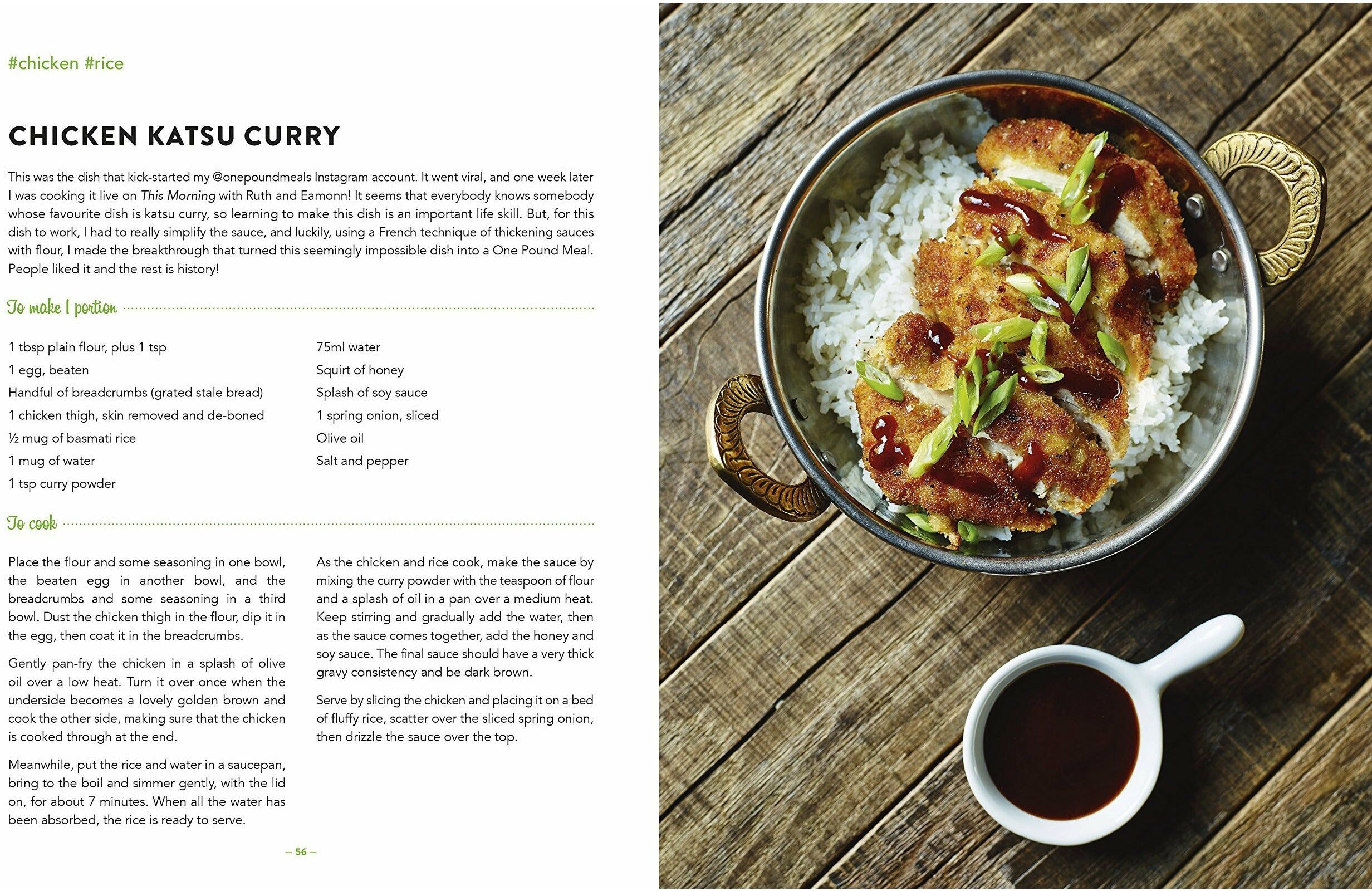
Headline One Pound Meals by Miguel Barclay – Delicious Budget Recipes for Everyday CookingOver 80 super-simple and tasty recipes that will save you both time and money. Here is delicious food for less.So much more than cheap dinner ideas - here are meals that cost under £1 but look and taste a million dollars! Recipes for the whole family without breaking the bank, including lots of favourite and familiar storecupboard ingredients.Instagram chef sensation Miguel Barclay is taking the world by storm with his delicious meals that cost less than £1 per person.'I've always loved cooking but I'm not a fan of needlessly over-complicated recipes that waste time and money.So I've created my own style of cooking: simple ingredients, straightforward recipes and mouthwatering meals, all on a budget.Now you can eat the food you love - from meatball marinara to chicken katsu curry, lamb moussaka to aubergine dal - all for under £1 per person.'Miguel's easy-to-follow, ready-in-minutes recipes are for a single serving, and can all be cooked for under £1 per person - just multiply them up for more servings.'As you would expect from such a relaxed style of cooking, the book is laid out in a similarly laidback manner. There are no chapters or themes. Just flick through the pages and cook whichever dish you fancy. But, as a nod to my Instagram roots and to help you identify types of dish, I have labelled each recipe with hashtags, so if you want to find veggie food, just look out for the veggie hashtags.One Pound Meals are designed to use a core group of ingredients, and this is the key to eliminating waste. Just start with one recipe, and depending on what you have left over, choose your next recipe accordingly. I want you to bounce around the book on a sort of never-ending random journey as you use up those leftover ingredients. It also means you can plan a week's worth of meals in one go and shop more efficiently.'With savvy supermarket shopping swaps and time-saving tips, One Pound Meals makes cooking quicker, easier and tastier, and with less waste.One Pound Meals includes:* Lasagne* Crab mac & cheese* Chicken katsu curry* Pork chop in a mustard & leek sauce* Spaghetti carbonara* Mushroom risotto* Quiche lorraine* Aubergine dal & chapati* Scotch Egg* Ultimate £1 burger* Ham & mushroom pizza* Pancake stack6,99 £*Shipping: 2,99 £Secure redirect to the provider


-
How do you correctly calculate probability in probability theory?
In probability theory, the probability of an event occurring is calculated by dividing the number of favorable outcomes by the total number of possible outcomes. This can be represented as P(A) = (Number of favorable outcomes) / (Total number of possible outcomes). It is important to ensure that all possible outcomes are accounted for and that the favorable outcomes are correctly identified. Additionally, the probability of multiple events occurring can be calculated using the multiplication rule for independent events or the addition rule for mutually exclusive events. **
-
What are the rules of probability in probability theory?
In probability theory, the rules of probability govern how probabilities are calculated and combined. The rules include the addition rule, which states that the probability of either of two mutually exclusive events occurring is the sum of their individual probabilities. The multiplication rule is used to calculate the probability of two independent events both occurring. Additionally, the complement rule states that the probability of an event not occurring is 1 minus the probability of the event occurring. These rules are fundamental in determining the likelihood of different outcomes in various situations. **
-
What is the probability in percent in probability theory?
In probability theory, the probability of an event is a measure of the likelihood that the event will occur. It is usually expressed as a number between 0 and 1, or as a percentage between 0% and 100%. A probability of 0% means the event is impossible, while a probability of 100% means the event is certain to occur. The probability of an event can be calculated using various methods, such as counting outcomes, using probability distributions, or applying statistical techniques. **
-
With what probability?
With what probability? The probability of an event occurring is a measure of how likely it is to happen, expressed as a number between 0 and 1. The probability of an event that is certain to happen is 1, while the probability of an event that is impossible is 0. Probabilities between 0 and 1 indicate the likelihood of an event occurring, with higher probabilities indicating a greater likelihood. **

What is the difference between conditional probability and marginal probability?
Conditional probability is the probability of an event occurring given that another event has already occurred. It is denoted as P(A|B), where A is the event of interest and B is the condition. Marginal probability, on the other hand, is the probability of a single event occurring without any conditions. It is denoted as P(A), where A is the event of interest. In other words, conditional probability takes into account a specific condition, while marginal probability does not consider any specific conditions. **
What is the difference between total probability and conditional probability?
Total probability refers to the probability of an event occurring, taking into account all possible outcomes. It is calculated by summing the probabilities of all possible outcomes. Conditional probability, on the other hand, refers to the probability of an event occurring given that another event has already occurred. It is calculated by dividing the probability of the intersection of the two events by the probability of the given event. In essence, total probability considers all possible outcomes, while conditional probability focuses on the probability of an event given certain conditions. **
Top-Angebote
Products related to Probability:
-
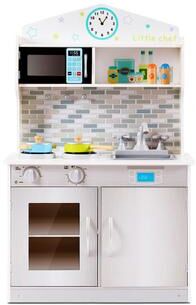
Costway Kids Kitchen Cookware Pretend Cooking Food Play SetThe kitchen cooking set has multiply accessories to have a comprehensive cooking simulation experience. Kids can wash the fruits and vegetables in the sink to simulate cleaning, and pretend dinners and snacks with provided oven, stove, and microwave.44,99 $*Shipping: 0,00 $Secure redirect to the provider
-
HQ BOSH! Simple Recipes. Unbelievable Results. All Plants – Bestselling Vegan Cookbook Easy Plant-Based Recipes for Everyday CookingWant to cook ridiculously good plant-based food from scratch but have no idea where to start? With over 140 incredibly easy and outrageously tasty all plants meals; BOSH! The Cookbook will be your guide. Henry Firth and Ian Theasby; creators of the worlds biggest and fastest-growing plant-based platform; BOSH!; are the new faces of the food revolution. Their online channels have over 2.3 million fans and constantly inspire people to cook ultra-tasty amp; super simple recipes at home. Always ensuring they stick to fresh; supermarket-friendly ingredients; BOSH! truly is 'plant-based food for everyone'. In BOSH! The Cookbook; Ian and Henry share over 140 of their favourite go-to breakfasts; crowd-pleasing party pieces; hearty dinners; sumptuous desserts amp; incredible sharing cocktails. The book is jam-packed with fun; unpretentious and mega satisfying recipes; including Creamy Mac and Greens; Burrito Samosas; the Big Bhaji Burger; the Worlds Best Pesto Lasagne; Satay Sweet Potato BOSH! Bowl; Spanish Beach Churros; Gooey PBJ Brownies and Salted Caramel Chocolate Crunch Tart; all easy enough to be rustled up any night of the week. It's enough to convince the staunchest of carnivores to give plants a whirl. Whether you're already sold on the plant-based lifestyle or you simply want to incorporate more meat; dairy and egg-free meals into your week; BOSH! The Cookbook is your plant-based bible. BOSH!8,40 £*Shipping: 2,99 £Secure redirect to the provider
-
What distinguishes conditional probability from independent probability?
Conditional probability is the probability of an event occurring given that another event has already occurred. It takes into account the information about the occurrence of one event when calculating the probability of another event. Independent probability, on the other hand, is the probability of one event occurring without any influence from the occurrence of another event. In other words, conditional probability is influenced by the occurrence of a specific event, while independent probability is not influenced by any other event. **
-
What is a probability space in probability theory?
A probability space in probability theory consists of three components: a sample space, an event space, and a probability measure. The sample space is the set of all possible outcomes of an experiment, the event space is a collection of subsets of the sample space representing different events, and the probability measure assigns a probability to each event in the event space. Together, these components define the mathematical framework for analyzing the likelihood of different outcomes in a probabilistic setting. **
-
How do you correctly calculate probability in probability theory?
In probability theory, the probability of an event occurring is calculated by dividing the number of favorable outcomes by the total number of possible outcomes. This can be represented as P(A) = (Number of favorable outcomes) / (Total number of possible outcomes). It is important to ensure that all possible outcomes are accounted for and that the favorable outcomes are correctly identified. Additionally, the probability of multiple events occurring can be calculated using the multiplication rule for independent events or the addition rule for mutually exclusive events. **
-
What are the rules of probability in probability theory?
In probability theory, the rules of probability govern how probabilities are calculated and combined. The rules include the addition rule, which states that the probability of either of two mutually exclusive events occurring is the sum of their individual probabilities. The multiplication rule is used to calculate the probability of two independent events both occurring. Additionally, the complement rule states that the probability of an event not occurring is 1 minus the probability of the event occurring. These rules are fundamental in determining the likelihood of different outcomes in various situations. **
Similar search terms for Probability
-
Headline One Pound Meals by Miguel Barclay – Delicious Budget Recipes for Everyday CookingOver 80 super-simple and tasty recipes that will save you both time and money. Here is delicious food for less.So much more than cheap dinner ideas - here are meals that cost under £1 but look and taste a million dollars! Recipes for the whole family without breaking the bank, including lots of favourite and familiar storecupboard ingredients.Instagram chef sensation Miguel Barclay is taking the world by storm with his delicious meals that cost less than £1 per person.'I've always loved cooking but I'm not a fan of needlessly over-complicated recipes that waste time and money.So I've created my own style of cooking: simple ingredients, straightforward recipes and mouthwatering meals, all on a budget.Now you can eat the food you love - from meatball marinara to chicken katsu curry, lamb moussaka to aubergine dal - all for under £1 per person.'Miguel's easy-to-follow, ready-in-minutes recipes are for a single serving, and can all be cooked for under £1 per person - just multiply them up for more servings.'As you would expect from such a relaxed style of cooking, the book is laid out in a similarly laidback manner. There are no chapters or themes. Just flick through the pages and cook whichever dish you fancy. But, as a nod to my Instagram roots and to help you identify types of dish, I have labelled each recipe with hashtags, so if you want to find veggie food, just look out for the veggie hashtags.One Pound Meals are designed to use a core group of ingredients, and this is the key to eliminating waste. Just start with one recipe, and depending on what you have left over, choose your next recipe accordingly. I want you to bounce around the book on a sort of never-ending random journey as you use up those leftover ingredients. It also means you can plan a week's worth of meals in one go and shop more efficiently.'With savvy supermarket shopping swaps and time-saving tips, One Pound Meals makes cooking quicker, easier and tastier, and with less waste.One Pound Meals includes:* Lasagne* Crab mac & cheese* Chicken katsu curry* Pork chop in a mustard & leek sauce* Spaghetti carbonara* Mushroom risotto* Quiche lorraine* Aubergine dal & chapati* Scotch Egg* Ultimate £1 burger* Ham & mushroom pizza* Pancake stack6,99 £*Shipping: 2,99 £Secure redirect to the provider
-
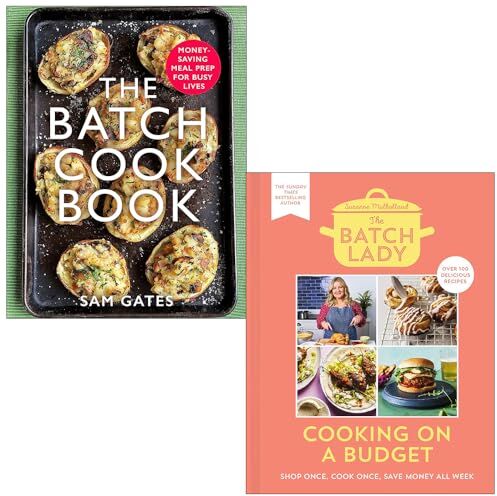
Robinson The Batch Cook Book & The Batch Lady Cooking on a Budget 2 Book Set – Easy Meal Prep & Batch Cooking RecipesThe Batch Cook Book By Sam Gates and [Hardcover] The Batch Lady Cooking on a Budget By Suzanne Mulholland 2 Books Collection Set The Batch Lady Cooking on a Budget [Hardcover]: The Batch Lady is back with a budget-busting book to create fresh and satisfying meals without breaking the purse strings.Shop once.Get organised, plan ahead and create fresh and satisfying meals without breaking the bank.Cook once.Over 100 delicious, simple and energy-efficient batch-cooking recipes that will satisfy the whole family and fill your freezer.Save money all week.Learn to hack your monthly bill, save your hard-earned money and eat well on a budget. The Batch Cook Book: Modern families are busier than ever. We all want to eat better, stress less and reduce waste - all without spending more than we have to. We want new and exciting recipes that are delicious, healthy and make a change from casseroles and spaghetti bolognese. And we want them to be straightforward, reliable and satisfy even the fussiest of eaters.That's where The Batch Cook Book comes in. This gorgeous cookbook will fit right into your busy lifestyle with mouth-watering new recipes and hints and tips for the best batch and meal prep techniques. Each inspiring chapter is packed with fresh ideas, from preparing key ingredients to whipping up perfectly portioned meals for simple suppers or bold, big-hearted feasts for friends and family.11,99 £*Shipping: 2,99 £Secure redirect to the provider
-
HQ The Batch Lady: Cooking on a Budget by Suzanne Mulholland - Hardback Cookbook - 100+ Budget-Friendly Batch-Cooking Recipes for Busy FamiliesThe Batch Lady: Cooking on a Budget is a practical cookbook from Suzanne Mulholland, the Sunday Times bestselling author known as The Batch Lady. This hardback guide shows busy households how to shop smart, cook in bulk and fill the freezer with delicious meals. It's ideal for parents, students, and anyone looking to save money on food. The book distills Suzanne's method into one accessible collection, covering budget-friendly store-cupboard staples, freezer-friendly casseroles, and more. With over 100 simple, energy-efficient recipes, it turns batch cooking into an easy habit. The book is published by HQ (HarperCollins) and has an ISBN of 9780008494056.8,45 £*Shipping: 2,99 £Secure redirect to the provider
-
What is the probability in percent in probability theory?
In probability theory, the probability of an event is a measure of the likelihood that the event will occur. It is usually expressed as a number between 0 and 1, or as a percentage between 0% and 100%. A probability of 0% means the event is impossible, while a probability of 100% means the event is certain to occur. The probability of an event can be calculated using various methods, such as counting outcomes, using probability distributions, or applying statistical techniques. **
-
With what probability?
With what probability? The probability of an event occurring is a measure of how likely it is to happen, expressed as a number between 0 and 1. The probability of an event that is certain to happen is 1, while the probability of an event that is impossible is 0. Probabilities between 0 and 1 indicate the likelihood of an event occurring, with higher probabilities indicating a greater likelihood. **
-
What is the difference between conditional probability and marginal probability?
Conditional probability is the probability of an event occurring given that another event has already occurred. It is denoted as P(A|B), where A is the event of interest and B is the condition. Marginal probability, on the other hand, is the probability of a single event occurring without any conditions. It is denoted as P(A), where A is the event of interest. In other words, conditional probability takes into account a specific condition, while marginal probability does not consider any specific conditions. **
-
What is the difference between total probability and conditional probability?
Total probability refers to the probability of an event occurring, taking into account all possible outcomes. It is calculated by summing the probabilities of all possible outcomes. Conditional probability, on the other hand, refers to the probability of an event occurring given that another event has already occurred. It is calculated by dividing the probability of the intersection of the two events by the probability of the given event. In essence, total probability considers all possible outcomes, while conditional probability focuses on the probability of an event given certain conditions. **
* All prices are inclusive of VAT and, if applicable, plus shipping costs. The offer information is based on the details provided by the respective shop and is updated through automated processes. Real-time updates do not occur, so deviations can occur in individual cases. ** Note: Parts of this content were created by AI.